Did you know that snack time is not something that should be taken lightly? The time children eat snacks plays an important role in their daily routine. Snack time is not just about satisfying hunger, but also ensuring children receive consistent energy and nutrients throughout the day. Many parents are still confused about how often children should be given snacks and which food choices are most nutritious.
Understanding the importance of proper snack time is key to supporting optimal child growth and development. A regular snack time schedule helps keep your child’s blood sugar levels stable, improves concentration at school, and prevents children from becoming overly hungry and overeating at main meals.
Why Is Snack Time Important?
Snack time is a complement to child nutrition that is often overlooked in importance by many families. Children have smaller stomach capacity compared to adults, so they cannot consume enough calories and nutrients from just three main meals. Timely and nutritious snacks help fill nutritional gaps and ensure children have enough energy for physical activity, play, and learning.
Additionally, well-planned snack time helps regulate your child’s blood sugar levels, which is very important for maintaining mood, concentration, and behavior. Hungry children tend to become irritable, struggle to concentrate, and lack focus at school. By providing nutritious snacks at the right time, you can help your child stay alert and happy throughout the day. Snack time also becomes an opportunity to introduce various healthy food choices and build good eating habits from an early age.
How Many Times a Day Is Ideal Snack Time for Children?
The ideal frequency of snack time for children depends on their age and daily caloric needs. For children aged 1-3 years, it is generally recommended to have one to two snack times per day, plus three main meals. This helps meet high caloric needs to support rapid growth during this period. Children aged 4-8 years typically need one to two snack times per day to maintain their energy, especially if they are involved in intense physical activities.
Older children and teenagers may need one snack time per day or may not require regular snack time if their main meals are already sufficiently nutritious and in proper portions. However, remember that each child has unique needs based on their activity level, metabolism, and body size. Observing signs of hunger and fullness in your child will help determine the most appropriate snack time frequency.
Read also: Healthy and Delicious Lunch Box Ideas for School
Proper Snack Time Schedule Based on Child’s Age
For children aged 1-3 years, the ideal snack time schedule is between breakfast and lunch (around 10:00 AM) and between lunch and dinner (around 3:00 PM). This schedule ensures children have stable energy and don’t feel excessively hungry between main meals. Snack times at these hours also help fill the afternoon period when children begin to feel tired and irritable.
For school-age children aged 4-8 years, it’s important to adjust snack time schedule with their school routine. Many schools provide snack time, usually in the morning after a few hours of learning. If your child’s school doesn’t provide snack time, you can give a snack before your child leaves for school or immediately after returning from school. Afternoon snack time (around 3:00-4:00 PM) is also important to provide energy until dinner time and prevent children from becoming overly hungry.
Read also: The Importance of Breakfast for Children’s School Concentration
For older children, snack time schedule can be adjusted to their preferences, as long as it doesn’t interfere with main meal times. Make sure snack time occurs at least two hours before dinner so it doesn’t reduce your child’s appetite at dinner. Consistency in snack time schedule is very important because children love routine and their bodies will adapt to regular eating patterns.
7 Nutritious Snack Time Options Children Love
1. Fresh Fruits
Fruits such as apples, bananas, oranges, and strawberries are perfect snack time choices because they are rich in vitamins, minerals, and fiber. Fruits are easily digested and provide quick energy without excessive sugar. For younger children, cut fruit into safe sizes to avoid choking risk.
2. Cheese and Crackers
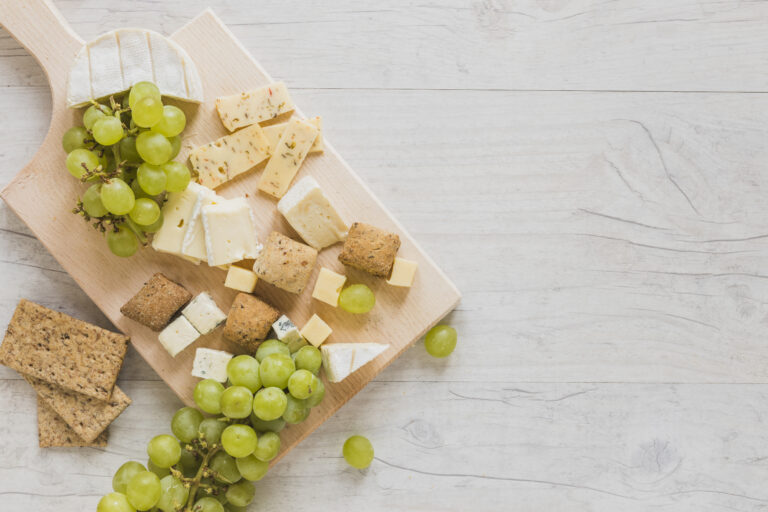
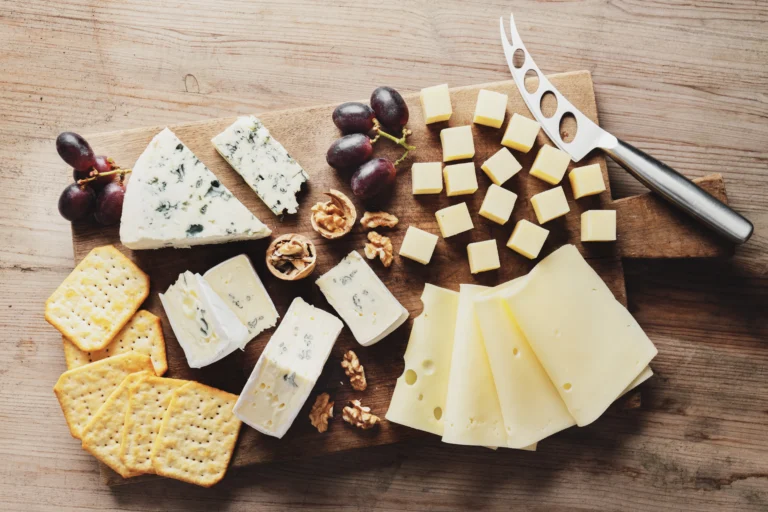
The combination of cheese and crackers provides complex carbohydrates and protein that make children feel full longer. Like The Laughing Cow Cheese Dippers, the pairing of stick-shaped crackers with cheese sauce makes it a nutritious snack.
3. Plain Yogurt Without Added Sugar
Plain yogurt or yogurt with natural fruit flavors are excellent sources of probiotics and calcium for children’s digestive health and bones. Yogurt provides a delicious taste while providing important protein for child growth. Avoid yogurt with excessive added sugar or artificial sweeteners.
4. Boiled or Steamed Eggs
Eggs are an excellent source of complete protein for children’s snack time. Boiled eggs are easy to prepare, portable, and very nutritious. Eggs contain choline which is important for children’s brain development and memory.
Read also: 5 Healthy Cheese and Egg Preparations for the Family
5. Nuts and Seeds
Almonds, walnuts, and sunflower seeds are snacks rich in healthy fats, protein, and minerals. However, make sure your child is old enough to chew safely and there is no risk of allergies before introducing nuts.
6. Fresh Vegetables with Healthy Dip
Carrots, cucumbers, peppers, and broccoli with cheese, hummus, or yogurt dip are snack options that are low in calories but rich in nutrients. Vegetables provide important fiber for digestive health and help children become familiar with vegetable flavors from an early age.
7. Fruit and Yogurt Smoothie
Smoothies made from fresh fruits, yogurt, and a little honey provide a perfect combination of vitamins, minerals, protein, and probiotics. Smoothies are easy to swallow and become a fun way for children to consume various fruits and dairy products.
Check Recipe: High-Protein Smoothie Bowls
Conclusion
Proper snack time for children is an investment in their long-term health and development. By understanding the ideal frequency, schedule appropriate for your child’s age, and choosing nutritious snack options, you provide a strong foundation for a healthy lifestyle in the future. Consistency, variety, and focus on quality nutrition are the keys to making snack time a positive part of your child’s daily routine.