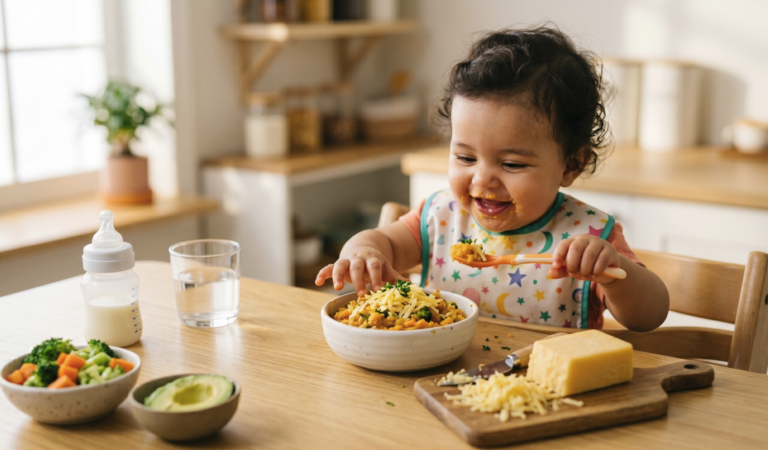
Every morning, almost every parent faces the same challenge: convincing their child to eat breakfast before heading to school. While it may seem like a small thing, this habit carries a far greater impact than most of us realize.
The importance of breakfast goes beyond simply filling an empty stomach, breakfast is the foundation that determines how a child’s brain and body function throughout the day.
According to Family Action, children who eat a proper breakfast are proven to concentrate more easily, participate more actively in class, and have stronger learning stamina compared to those who leave home on an empty stomach.
What Happens to a Child’s Brain When They Skip Breakfast?
The brain is an energy-hungry organ. It consumes approximately 20% of the body’s total energy, and its primary fuel source is glucose derived from food. When a child skips breakfast, their blood sugar remains low from the night before — and the brain begins to “starve.”
In this state, children struggle to concentrate, their memory weakens, and their ability to solve problems is impaired. Research from Cardiff University found that children who skip breakfast show lower academic performance, particularly in short-term memory tests and numerical reasoning. They are also more likely to feel tired, irritable, and disengaged in class.
Moreover, consistently skipping breakfast over the long term can affect a child’s overall cognitive development. A brain that is routinely deprived of essential morning nutrients — including protein and calcium, which play a vital role in nerve function and brain signal transmission — cannot develop optimally. This is a significant loss during the most critical years of growth and development.
Types of Food Ideal for a Child’s Breakfast
Not all breakfasts deliver the same benefits. Choosing the right foods is key to keeping a child’s energy stable throughout the morning—not just spiking briefly and then crashing.
1. Complex Carbohydrates
Brown rice, oatmeal, whole wheat bread, or sweet potato are excellent choices because they are digested slowly and release energy gradually. This is in contrast to simple carbohydrates (such as white bread or sugary cereal), which cause a brief energy spike followed by a slump.
2. Protein
A protein-rich breakfast helps stabilize blood sugar, supports muscle development, and keeps children feeling fuller for longer. Easy-to-serve protein sources include eggs, tofu, tempeh, yogurt, and cheese — one of children’s favorite options thanks to its delicious taste and easy-to-eat texture.
3. Calcium
This mineral is not only essential for strong bones and teeth, but also plays a role in muscle function and a child’s nervous system. Dairy-based products like cheese are an excellent and practical source of calcium that can easily be incorporated into breakfast in a variety of ways.
4. Fruits
Fresh fruits such as bananas, apples, or papaya round out breakfast with vitamins, minerals, and fiber that support immune function and digestion.
Avoid foods that are too high in sugar or saturated fat in the morning, as these can make children drowsy and unfocused. An ideal breakfast is a simple combination: complex carbohydrates + protein + a source of calcium + fruit or vegetables.
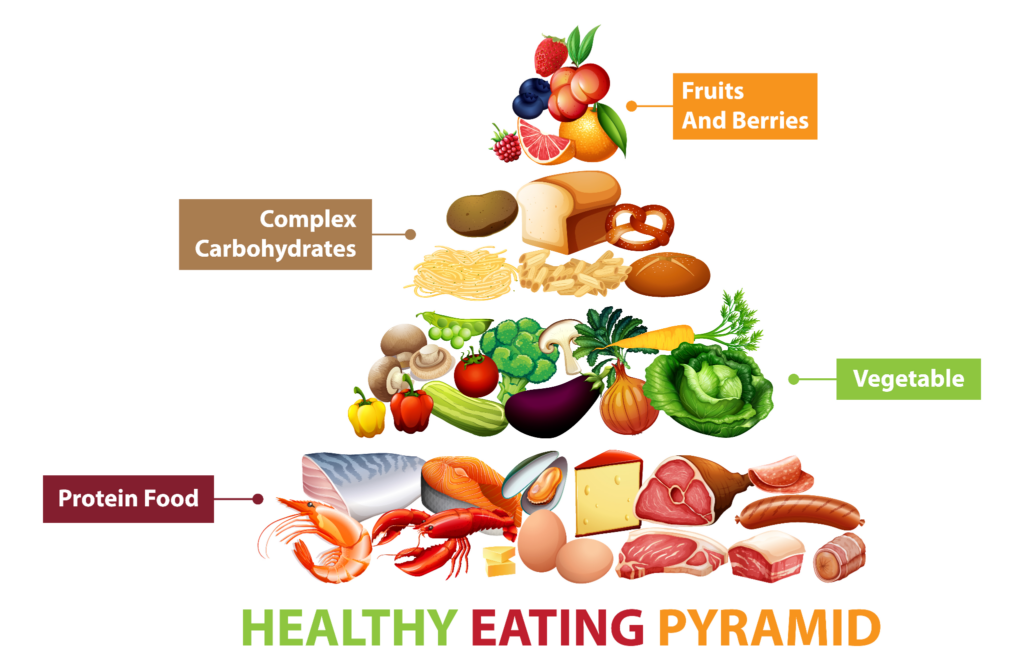
<Alt text: The Best Foods for Breakfast>
Read also: The Nutritional Benefits of Cheese for Your Body
How Long Before School Should Children Eat Breakfast?
The timing of breakfast turns out to be just as important as the menu itself. Nutrition experts generally recommend that children eat breakfast 30 to 60 minutes before leaving for school. This window gives the body time to begin digesting food, so that energy is already available by the time children arrive at school and start learning.
Eating too close to departure time can cause children to feel stomach discomfort, nausea, or difficulty concentrating because their digestive system is still working hard. On the other hand, eating too early—more than 2 hours before school starts—may leave children hungry again before the first break.
For this reason, planning wake-up times with adequate breakfast time built in is an important part of family routine. If a child needs to leave by 6:30 AM, aim to have them at the breakfast table no later than 6:00 AM.
Tips for Making Breakfast a Fun Routine
One of the biggest reasons children resist eating breakfast is the rushed, stressful atmosphere of the morning. Making the breakfast routine feel enjoyable, rather than like a burden, is the key to making this habit stick.
Some tips to try:
- Involve children in choosing the menu. Ask the night before, “What do you want for breakfast tomorrow?” When children feel like they have a say, they are more enthusiastic about eating.
- Create a comfortable table atmosphere. Turn off the TV, put away gadgets, and make breakfast time a moment for light conversation as a family.
- Make food presentation fun. Cut fruit into fun shapes, or spread soft cheese on bread and let children decorate it themselves with pieces of vegetables or fruit. Small activities like this make children feel involved and more eager to eat.
- Keep it consistent. Children thrive on routine. The same breakfast time every day helps their bodies “know” when it’s time to eat, and hunger naturally follows.
- Lead by example. Children imitate their parents. When parents also eat breakfast together, the message about its importance comes through far more powerfully.
Quick and Nutritious Breakfast Ideas
A busy morning is the classic reason breakfast gets skipped. But preparing a nutritious breakfast doesn’t have to take long. With a little planning, a healthy breakfast can be ready in 10–20 minutes—or even prepared the night before.
Here are six practical breakfast ideas that are still rich in protein and calcium, perfect for both children and parents:
1. Butter Caramel Toast
Mix butter and granulated sugar, spread over bread, then toast until golden. Serve warm with The Laughing Cow Creamy Cheese Triangles spread on top. The result? Crispy toast with a sweet caramel layer and creamy cheese — a simple breakfast that feels special, while also delivering a calcium boost from the cheese.
2. High-Protein Smoothies Bowl
Blend banana, dragon fruit, yogurt, and milk until smooth, pour into a bowl, then add granola, strawberry, and Belcube Cheese as toppings. This combination of fruit, yogurt, and cheese creates a high-protein, refreshing breakfast — perfect for children who are reluctant to eat in the morning, thanks to its colorful and inviting appearance.
3. Mini Banana Cheese Pancake
Mash banana together with Belcube Cheese, then mix with egg, flour, milk, and a touch of vanilla. Cook in small rounds on a non-stick pan until golden. These mini pancakes are not only delicious and kid-approved, but also pack protein from the egg and cheese, plus natural carbohydrates from the banana that provide long-lasting energy.
4. Fluffy Egg Pancake
Beat egg whites until they form soft peaks, fold in the yolks, then cook in a pan with a little butter. Serve topped with The Laughing Cow Creamy Cheese Triangles. The cloud-like, airy texture makes this a hit with children, while the protein from the eggs and cheese makes it far more nutritious than a regular pancake.
5. Creamy Oatmeal
Mix oat flakes, The Laughing Cow Original Cheese Spread, honey, and milk in a bowl, then refrigerate overnight. In the morning, simply take it out and decorate with sliced banana, strawberry, apple, and grapes. This breakfast is the best choice for even the busiest mornings, nutritious, filling, and requiring absolutely no cooking.
6. Fruit Cheese Salad
Chop a variety of fresh fruits, kiwi, strawberry, apple, grapes, watermelon, mango, then drizzle with a sauce made from yogurt and sweetened condensed milk. Top with Belcube Cheese and grated Babybel for a savory touch that balances the sweetness of the fruit. This fruit salad delivers vitamins, fiber, and calcium all in one refreshing, delightful bowl.
The key is keeping a well-stocked supply of breakfast staples at home — including The Laughing Cow products, which are practical, require no cooking, and keep well in the fridge. With menu options like these, there’s no excuse to skip breakfast, no matter how busy the morning gets.
Conclusion
The importance of breakfast cannot be overlooked, especially for children who are in their critical years of growth and active learning. With the right breakfast—rich in protein, calcium, and balanced nutrition—we give them the best possible foundation to face the day. Start with small, consistent steps: wake up 10 minutes earlier, prepare a simple menu, and sit down together at the table. Because the greatest investment in a child’s achievement begins right at the family breakfast table.