When you see a Babybel cheese, have you ever wondered, why is it coated in red wax?
As it turns out, there’s a real reason behind this packaging. The red wax layer that wraps Babybel cheese isn’t just about looks; there’s science, a rich history, and important functions behind it. Let’s break it all down!
A Brief History of Babybel
Babybel first appeared in 1931. Then, in 1952, Babybel officially launched in France. The cheese was created by Société Fromagère de l’Aube, a cheese company with decades of experience in the dairy industry dating back to the late 19th century.
The name “Babybel” was inspired by its small, bell-like shape (bel in French means “beautiful” or refers to a rounded form).
From the very beginning, Babybel was designed as a convenient snack cheese — easy to take anywhere without needing refrigeration for short periods. It didn’t take long for Babybel to cross France’s borders. By the late 1970s, the product began entering markets across Europe and North America.
Today, Babybel is available in more than 100 countries worldwide, including across Southeast Asia under the The Laughing Cow (La Vache qui rit) brand umbrella, owned by Groupe Bel.
In Indonesia, Babybel cheese has grown increasingly popular thanks to its convenience as a healthy snack for school-age children and lunchbox staples. Its cute shape and fun unwrapping experience keep kids excited to eat it.
Why Is Babybel Wrapped in Wax?
This is the most frequently asked question. The answer lies in the wax’s remarkably effective natural protective functions.
1. A Natural Barrier Against Contamination
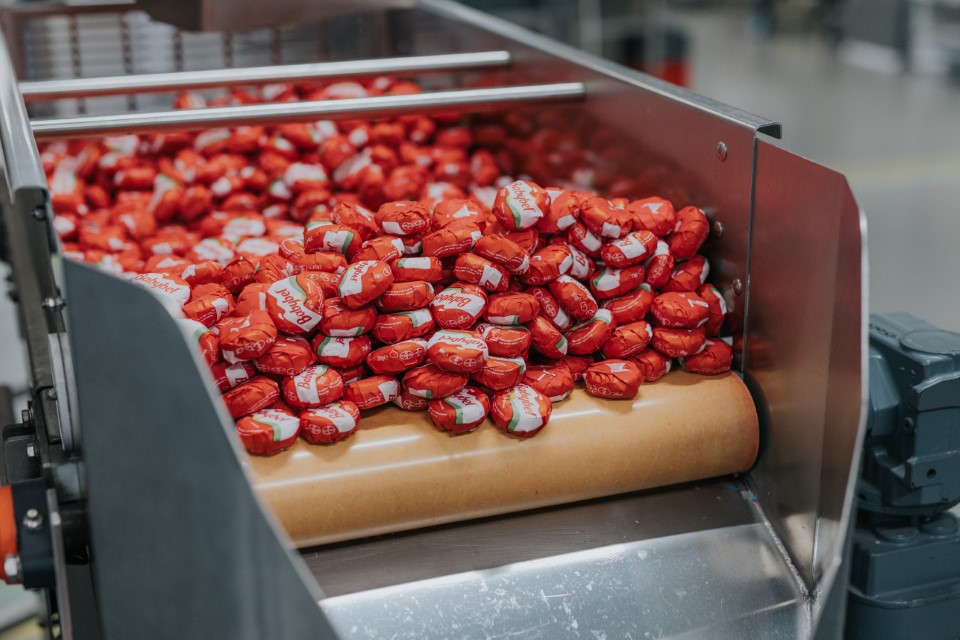
The wax coating that covers Babybel cheese acts as a physical shield against bacteria, mold, and outside moisture. The wax creates an airtight layer that prevents oxidation, keeping the cheese fresh for longer, without the need for artificial preservatives.
2. An Eco-Friendlier Alternative to Plastic Packaging
Babybel is consistently committed to reducing plastic waste. Its wax coating contains no microplastics and can be processed at certain recycling facilities. Groupe Bel continues to innovate toward a future where 100% of Babybel’s packaging is fully recyclable.
3. The Red Color: Identity and Tradition
Why red? The iconic dark red (bordeaux) hue was chosen from the very first product launch and has since become a globally recognized visual identity for Babybel. The color helps consumers instantly spot the authentic Babybel product among other cheeses on supermarket shelves.
Beyond the classic red, Babybel now also comes in other wax colors—including green, blue, yellow, and purple—each signaling a different flavor variety, such as Light, Gouda, and Emmental.
4. A Fun Unwrapping Experience
Who doesn’t love pulling the little red tab and peeling off the wax? This design is no accident. The pull-tab is intentionally crafted to make opening a Babybel an interactive and enjoyable experience, especially for children. It’s one of the key reasons Babybel is such a beloved kids’ snack.
How to Store Babybel Properly to Keep It Fresh
While the wax coating provides an extra layer of protection, proper storage is still essential to maintaining the quality and flavor of Babybel cheese.
Before Opening
- Store in the refrigerator at 4–8°C (in the middle section of the fridge, not in the door where temperatures fluctuate).
- Unopened Babybel can last until the expiration date printed on the packaging, typically several weeks from the production date.
- If a refrigerator isn’t available for a short time (such as during travel), Babybel is safe to consume at room temperature for approximately 2 hours — perfect for on-the-go snacking!
After Opening
- Once the wax is opened, the cheese should be eaten right away or stored properly.
- Wrap leftover cheese in plastic wrap or place it in an airtight container, then return it to the refrigerator.
- Consume within 1–2 days of opening to maintain freshness and prevent the cheese from drying out.
Additional Tips
- Avoid storing Babybel in the freezer, as freezing can cause the cheese to become crumbly and grainy once thawed.
- Don’t store cheese next to strongly scented foods (such as onions or fish), as cheese can easily absorb surrounding aromas.
Read also: How to Tell If Cheese Has Gone Bad
Conclusion
So, the red wax coating on Babybel cheese is far more than just a wrapper — it’s a protector, an identity, and a part of the joyful eating experience for little ones. Paired with its solid nutritional profile, it’s no wonder Babybel has become a family favorite snack around the world.
Find Babybel cheese and the full range of delicious cheeses from The Laughing Cow at your nearest supermarket or your favorite online shops!