Child brain development is the primary concern of every parent. One of the most important nutrients in supporting a child’s cognitive function is vitamin B12.
The role of vitamin B12 is not merely to maintain general health, but also serves as an important foundation for learning processes and intellectual development. This vitamin helps form the myelin sheath around nerves, which allows nerve signals to be transmitted faster and more efficiently throughout the body and brain.
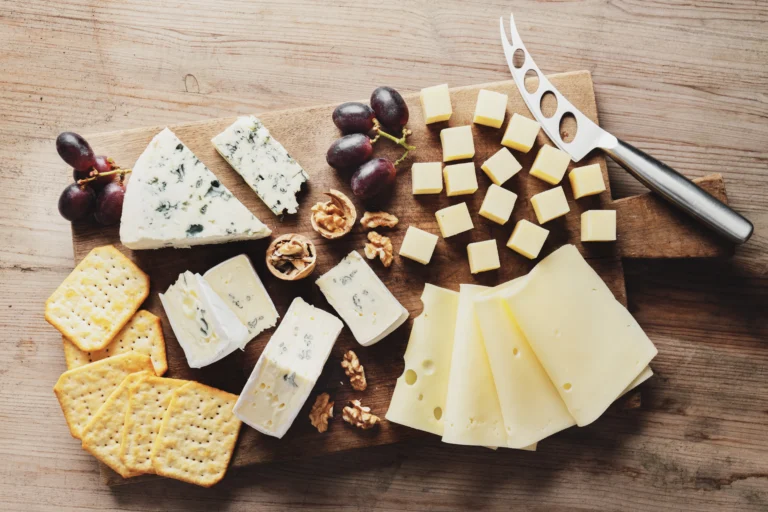
Cheese is one of the natural sources of vitamin B12 that is often overlooked by many families. Yet, the nutrients contained in cheese are a practical choice to ensure children receive adequate B12 intake daily. Understanding the content and benefits of vitamin B12 in cheese can help you make better nutritional decisions for your child’s optimal growth and development.
What Is Vitamin B12 and Why Is It Important for Child’s Brain?
Vitamin B12, or cobalamin, is a water-soluble vitamin produced by bacteria and found primarily in animal products. This vitamin plays a crucial role in the formation of red blood cells, DNA synthesis, and especially in optimal neurological function.
Read also: Good Bacteria in Cheese That Benefits Health
In children, vitamin B12 plays a role in the formation and maintenance of myelin, the protective nerve sheath that ensures smooth brain communication.
The role of vitamin B12 in child intelligence is highly significant because this vitamin is responsible for nerve cell energy metabolism and support of cognitive function. Children who receive sufficient B12 tend to have better concentration, stronger memory, and more optimal learning ability.
Vitamin B12 deficiency in children can cause learning problems, motor development disorders, and in severe cases can cause permanent nerve damage.
How Much Vitamin B12 Is Contained in Cheese?
The vitamin B12 content in cheese varies depending on the type of cheese consumed. Hard cheeses such as cheddar, emmental, and parmesan contain higher vitamin B12 compared to soft cheeses. In one ounce (approximately 28 grams) of cheddar cheese, there is approximately 0.7 micrograms of vitamin B12, while Swiss cheese contains approximately 1.5 micrograms per ounce. For comparison, the daily vitamin B12 requirement for children aged 1-3 years is 0.9 micrograms, while children aged 4-8 years need 1.2 micrograms daily.
The advantage of cheese as a B12 source is its high bioavailability, meaning the body can absorb vitamin B12 from cheese more efficiently than from other sources. Additionally, cheese also contains calcium and protein that are equally important for bone growth and muscle development in children. Providing cheese as part of your child’s daily menu can help meet their vitamin B12 needs naturally and deliciously.
Read also: Benefits of Calcium in Cheese for Child’s Bone and Teeth Growth
Signs of Vitamin B12 Deficiency in Children
Parents should be alert to signs of vitamin B12 deficiency in children, as this condition can affect their development. Some early symptoms include unusual fatigue, pale skin, loss of appetite, and concentration problems evident in school performance. Children lacking B12 may also show behavioral changes such as irritability, loss of interest in activities they usually enjoy, or become very shy.
More serious symptoms of long-term deficiency include difficulty walking, tingling in hands and feet, significant motor development disorders, and even more complex learning difficulties.
In some cases, children may show regression in abilities they previously mastered. If you notice these signs, it’s important to consult with a doctor and have a blood test to check your child’s vitamin B12 levels. Prevention through proper nutrition, including cheese and other animal products, is far better than dealing with deficiency that has already occurred.
Cheese as a Natural B12 Source Easily Accepted by Children
One of the greatest advantages of using cheese as a vitamin B12 source is children’s high acceptance of this food. Most children enjoy cheese in various forms, whether eaten plain, sprinkled over pasta, combined with sandwiches, or as part of a snack. This flexibility makes cheese a practical choice to ensure children get the vitamin B12 role they need without mealtime drama.
Parents can easily integrate cheese into their child’s daily menu in various creative ways. Add grated cheese to rice porridge, place cheese chunks in your child’s lunch box, or make delicious and nutritious mac and cheese. Choosing high-quality cheese with not too much sodium is very important, especially for young children who are still in the stage of developing taste preferences.
Read also: Healthy and Delicious Lunch Box Ideas for School and Office
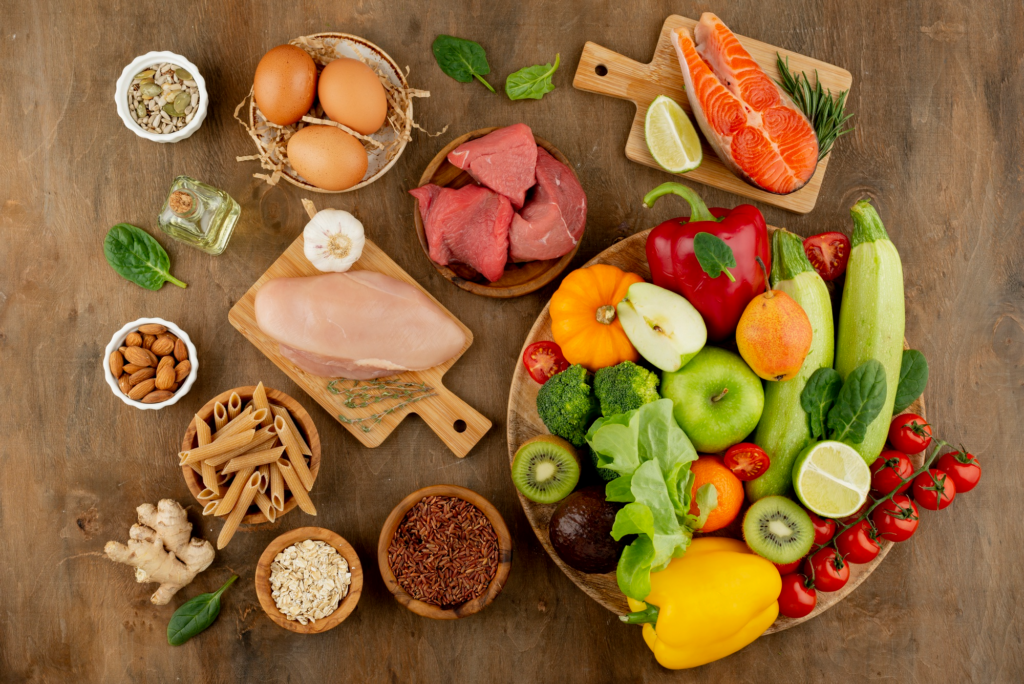
For optimal results, combine cheese with other vitamin B12-rich foods such as meat, eggs, and fish. A varied nutritional approach will ensure your child not only gets enough vitamin B12, but also complete nutrition for optimal brain growth and development. By choosing cheese as part of your nutritional strategy, you have taken a proactive step to support your child’s intelligence and well-being.
Conclusion
The role of vitamin B12 in child brain development cannot be ignored. Cheese, with its significant vitamin B12 content and high acceptance from children, is a smart food choice to ensure optimal nutrient intake. By understanding the benefits and how to integrate cheese into your daily menu, you are making a real contribution to your child’s brighter cognitive future.