As parents, we always want to give the best to our little ones, ensuring their daily intake helps maintain their immune system.
Probiotics are beneficial bacteria that live in the digestive tract and help maintain the balance of the gut microbiome. With a healthy digestive system, your little one will have stronger immunity and optimal nutrient absorption.
Through this article, we want to show that probiotic-rich foods are very easy to find in everyday life. Let’s explore what these foods are.
List of Probiotic-Rich Foods
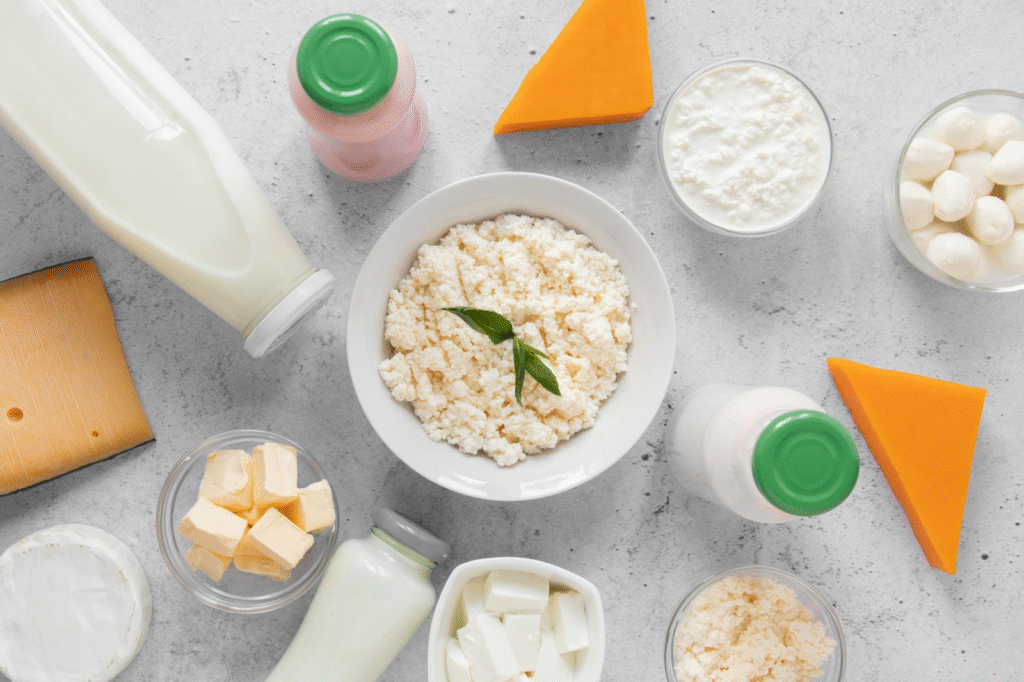
Caption: “Image courtesy of Freepik” | Alt image: “The best probiotic foods for toddlers.”
Here are 14 probiotic-rich foods that you can give to your little one:
1. Yogurt
Yogurt is the most popular and easily found source of probiotics. Choose plain yogurt without added sweeteners or children’s yogurt with low sugar content. Yogurt contains live bacterial cultures such as Lactobacillus and Bifidobacterium that are excellent for digestion. You can mix yogurt with fresh fruits or honey to add flavor.
2. Cheese
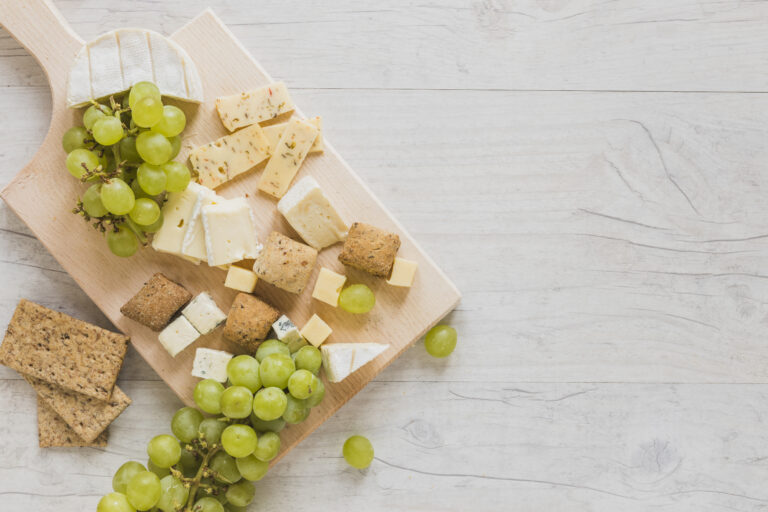
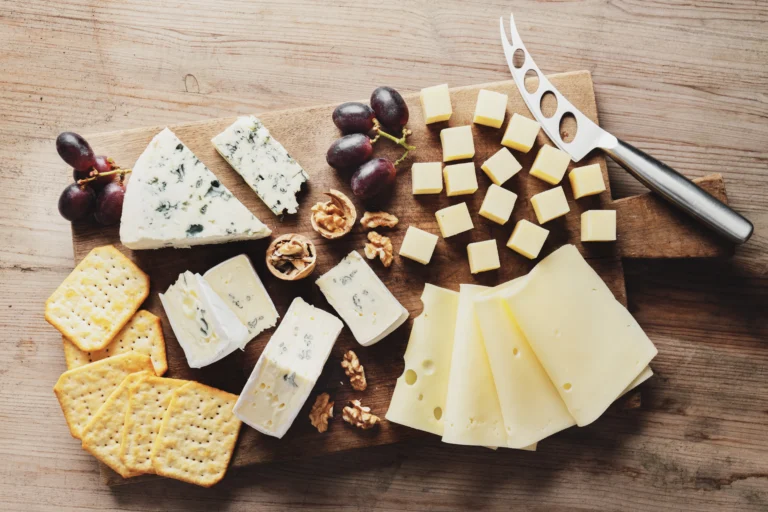
Certain types of cheese contain probiotics that are good for your little one’s digestive health. Not all cheese contains probiotics, but cheese types that go through aging or fermentation processes, such as cheddar, gouda, Swiss, and cottage, have beneficial bacteria content.
Read more: Recognize the Benefits of Good Bacteria in Cheese
Cottage cheese has a soft texture and mild taste that is suitable for children, while aged cheddar and gouda provide a stronger flavor. Make sure to choose cheese with the label “contains live cultures” to get its probiotic benefits.
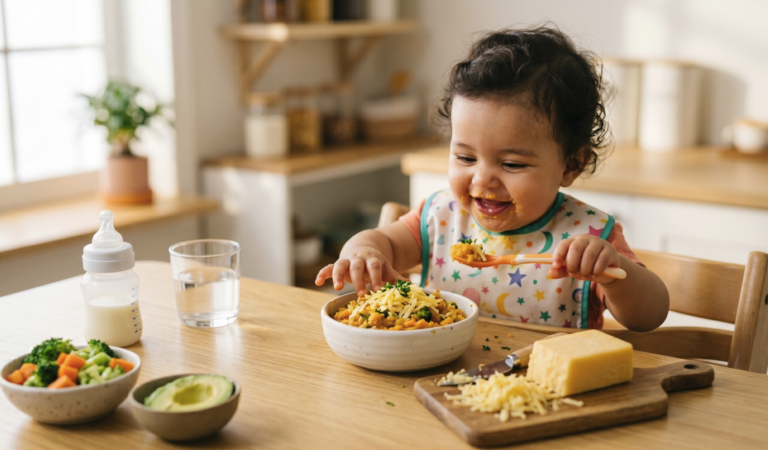
You can serve cheese as a snack, mix it into pasta, add it to sandwiches, or serve cottage cheese with fruits. Cheese is also a good source of calcium and protein for your little one’s bone and teeth growth.
3. Tempeh
Tempeh is a traditional Indonesian fermented food made from soybeans. Besides being rich in probiotics, tempeh is also an excellent source of plant-based protein for children. Tempeh is easy to prepare into various dishes such as fried tempeh, tempeh bacem, or added to vegetables. Its soft texture is also easy for children to chew.
4. Kimchi
Kimchi is a Korean fermented food made from napa cabbage and various seasonings. For children, choose kimchi that is not too spicy or make a milder version of kimchi at home. Kimchi is rich in probiotics and vitamin C, which are good for immunity. You can add it to fried rice or soup in small portions.
5. Miso
Miso is a fermented paste made from soybeans commonly used in Japanese cuisine. Miso soup is the easiest way to introduce this food to children. Miso contains probiotics and is also rich in antioxidants. Make sure not to cook miso for too long so the beneficial bacteria don’t die from the heat.
6. Kefir
Kefir is a fermented milk-based drink that has a higher probiotic content compared to yogurt. Its more liquid texture makes it easy for children to drink. Kefir contains various strains of beneficial bacteria and yeast that are good for gut health. You can serve it directly or mix it with your little one’s favorite fruit smoothie.
7. Pickled Vegetables
Naturally fermented pickled vegetables (not with vinegar) contain good probiotics. You can make cucumber, carrot, or radish pickles yourself at home without excessive sugar. Pickled vegetables provide a pleasant, crunchy texture and can be a side dish with rice for your little one.
8. Sauerkraut
Sauerkraut is fermented cabbage and is an excellent source of probiotics. This food is popular in European countries and is now easy to find in supermarkets. For children, you can serve it in small portions as a food complement. Make sure to choose unpasteurized sauerkraut so the probiotics remain alive.
9. Natto
Natto is a traditional Japanese fermented soybean with a sticky texture and distinctive aroma. Although it has a unique texture that may need adaptation, natto is very rich in probiotics and vitamin K2. You can mix it with rice or eggs to reduce its sticky texture and make it more appealing to your little one.
10. Traditional Buttermilk
Traditional buttermilk (not the modern market version) is a byproduct of butter-making that is rich in probiotics. This drink has a fresh sour taste and contains beneficial bacteria for digestion. You can use it as an ingredient for pancakes or smoothies for your little one.
11. Kombucha
Kombucha is fermented tea that contains probiotics and antioxidants. For children, choose kombucha with low sugar content and mild fruit flavors. Give it in small portions as kombucha contains a little caffeine and alcohol from the fermentation process. Consult with a doctor before giving kombucha to children under 4 years old.
12. Oncom
Oncom is a traditional West Javanese fermented food made from tofu dregs or peanuts. Like tempeh, oncom is rich in probiotics and protein. Oncom can be prepared into various dishes such as pepes oncom or mixed with vegetables. Its savory taste is usually loved by Indonesian children.
13. Probiotic Drinks
Probiotic drinks contain the Lactobacillus casei Shirota bacterial strain, which has been proven good for digestion. This drink is practical and easily accepted by children because of its sweet taste. However, pay attention to its sugar content and give according to the recommended portion for children.
14. Sourdough Bread
Sourdough bread is bread made through a natural fermentation process using sourdough starter. This fermentation process produces probiotics and makes the bread easier to digest. Sourdough also has a lower glycemic index compared to regular bread. You can serve it as toast for breakfast or sandwiches for your little one’s school lunch.
Benefits of Probiotics for Children
Probiotics provide various important benefits for children’s growth and development. These beneficial bacteria help boost the immune system by strengthening the gut’s natural defenses, which are a major part of the body’s immune system. Children who regularly consume probiotics tend to get sick less often and have better resistance against infections.
In addition, probiotics are very effective in maintaining children’s digestive health. They help prevent and overcome digestive problems such as diarrhea, constipation, and stomach aches. Probiotics also play a role in increasing the absorption of important nutrients such as vitamins, minerals, and proteins needed for your little one’s optimal growth.
Several studies, as summarized by the Office of Dietary Supplements of the National Institutes of Health, also show that probiotics can help reduce the risk of allergies and eczema in children, as well as support their mental health and mood through the connection between the gut and brain (gut-brain axis). By regularly providing probiotic-rich foods, you are making a long-term investment in your little one’s health.
Tips for Giving Probiotic Foods to Picky Eaters
Giving probiotic foods to picky-eater children can indeed be a challenge. However, there are several strategies you can try to make this process easier.
1. Start with Small Portions
Start with small portions and introduce probiotic foods gradually. Don’t force children to eat large amounts right away.
You can mix probiotic foods with their favorite foods, for example, mixing yogurt into fruit smoothies or adding cheese to their favorite pasta.
2. Involve Children in the Food Preparation Process
Invite your little one to shop and let them choose the yogurt flavor or the fruits they want to mix in. When children feel involved in the food-making process, they tend to be more interested in trying it.
3. Create Fun Food Presentations
Create attractive food presentations. Make yogurt parfaits with colorful fruit layers, or shape tempeh into nuggets with cute shapes using molds. Attractive visuals can make children more interested in trying new foods.
4. Eat Together with Your Little One
Lead by example by eating together. Children tend to imitate what their parents do. If they see you enjoying probiotic foods, they will be more interested in trying them. Make mealtime a pleasant family moment without pressure.
Be patient and don’t give up. Sometimes children need to be exposed to new foods 10-15 times before they’re willing to try them. Keep offering in different ways and in a positive atmosphere. Avoid giving negative labels like “you’re a picky eater” as this can make children more resistant to new foods.
Conclusion
Providing probiotic-rich foods is one of the best ways to maintain health and boost your little one’s immune system. From the 14 probiotic food options we’ve discussed, ranging from practical yogurt to traditional Indonesian tempeh and oncom, you have many variations to suit your child’s taste and home availability.
Remember, you don’t need to give all probiotic foods at once. Start with one or two types that are most easily accepted by your little one, then gradually introduce other variations.
Consistency is key to getting optimal benefits from probiotics. Also, combine with prebiotic foods and other balanced diets for comprehensive digestive health.
As a complement to your little one’s daily nutrition, The Laughing Cow can be a practical, healthy snack choice. This cheese is not only delicious and loved by children, but also easy to carry anywhere to meet your little one’s nutritional needs amid your busy schedule.
Pair it with fruits or vegetables for a more balanced and nutritious snack. Let’s start your little one’s health journey with probiotic foods today!
Read more: