As a parent, seeing your baby’s weight stagnate or fall below the growth curve can be worrying. Many parents wonder, “What foods can help my baby gain weight quickly?”
What you need to understand is that helping your baby gain weight isn’t just about the quantity of food, but about nutrient density. This means every spoonful that goes into your little one’s mouth should be rich in calories, protein, healthy fats, vitamins, and minerals that support their optimal growth and development.
In this article, we’ll recommend 10 of the best foods to help your baby gain weight that are not only high in calories but also nutrient-dense. Perfect for creating healthy and natural weight-gaining complementary foods.
Why Is Your Baby’s Weight Important?
Weight is one of the key indicators of a baby’s health and growth. In the first year of life, babies experience their most rapid growth—their birth weight typically triples by their first birthday.
A healthy weight indicates that:
- Your baby is getting enough calories and nutrients for brain, muscle, and organ development
- Your baby’s immune system is strong and able to fight infections
- Energy reserves are available for their daily activities and exploration
However, low weight doesn’t always mean your baby is unhealthy. What’s more important is seeing consistent growth on the WHO growth chart and ensuring they’re getting balanced nutrition.
If your pediatrician recommends increasing your baby’s weight, it’s time to focus on nutrient-dense foods.
Read also: High-Calcium Foods to Support Baby’s Growth
10 Best Foods to Help Your Baby Gain Weight
1. Eggs (Especially Egg Yolks)
Eggs are a high-quality protein source and contain choline, which is crucial for your baby’s brain development. Egg yolks are particularly rich in healthy fats and fat-soluble vitamins A, D, E, and K.
Tip: One egg per day can provide a significant boost of protein and calories for weight-gaining complementary foods.
2. Cheese
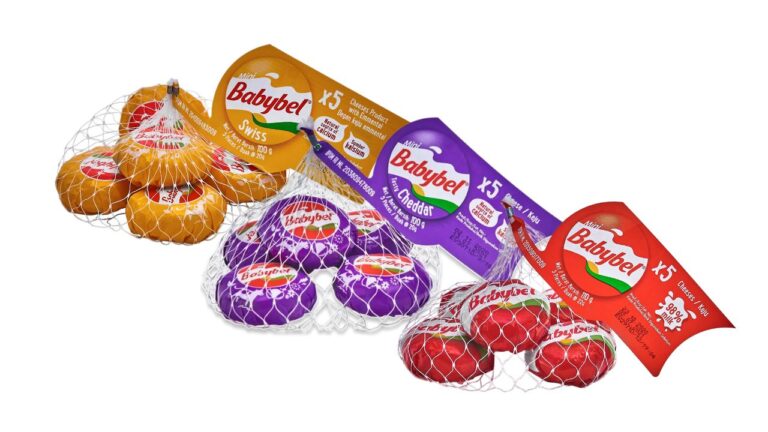
Cheese is one of the most effective and kid-friendly foods for helping babies gain weight. Cheese is rich in calcium, protein, healthy fats, and vitamin B12, all important for bone and muscle growth.
Choose pasteurized cheese and avoid blue cheese or raw cheese for babies. Start with small portions (1-2 teaspoons of grated cheese) and watch for allergic reactions.
Cheese can be a “game changer” in weight-gaining complementary foods because its combination of protein, fat, and calcium is perfect for supporting optimal baby growth.
Read also: Tips for Choosing Cheese for Baby’s First Foods
3. Avocado
This fruit is a complementary feeding superstar! Avocados contain monounsaturated fats that are excellent for brain development and healthy weight gain.
With its soft texture and creamy taste, avocados are easily accepted by babies from the start of complementary feeding. They’re also quite calorie-dense at about 160 calories per 100 grams.
4. Beef/Chicken
Animal protein is the primary driver of baby growth. Red meat, like beef, is rich in heme iron that’s easily absorbed by the body, while chicken is lower in fat but still high in protein.
Animal protein is essential for babies because it contains complete essential amino acids needed for cell, muscle, and tissue formation.
Read also: High-Protein Recipes for Children
5. Fish (Salmon or Mackerel)
Fatty fish like salmon and mackerel are the best sources of omega-3 (DHA and EPA) for brain development and vision. Additionally, the fat in these fish helps with healthy weight gain.
Important: Choose fish with low mercury content, like salmon, mackerel, or skipjack tuna. Avoid large tuna fish.
6. Coconut Milk
Coconut milk is a local “superfood” that’s very effective for adding calories to complementary foods. It contains medium-chain triglycerides (MCT) that are easily digested and converted directly into energy.
For babies, coconut milk can be an easy and affordable alternative to increase the calorie density of porridge or steamed rice. Make sure the coconut milk is cooked thoroughly to aid your baby’s digestion.
7. Butter or Unsalted Butter
Butter is one of the easiest ways to add calories to any baby food without drastically changing the taste.
One teaspoon of butter (about 5 grams) contains approximately 35 calories and vitamin A, which is good for eye health.
Tip: Choose unsalted butter for babies under 1 year old because their kidneys aren’t yet fully developed to process sodium.
8. Banana
Bananas are one of the most calorie-dense fruits, at about 90 calories per 100 grams, making them a quick energy source for babies.
Bananas are also rich in potassium, vitamin B6, and fiber, which are good for digestion.
9. Greek Yogurt
Greek yogurt has twice the protein content of regular yogurt, making it excellent for helping babies gain weight.
Yogurt also contains probiotics that support digestive health and nutrient absorption.
When can you give yogurt? Babies can start consuming yogurt from 6 months, although whole cow’s milk should only be given after 12 months.
10. Tofu & Tempeh
For protein variety, tofu and tempeh are excellent plant-based protein sources. Tempeh especially contains natural probiotics from the fermentation process that are good for digestion.
While not as primary as animal protein, tofu and tempeh can still be great supplements rich in calcium, iron, and magnesium.
Tip: Combine plant-based protein with animal protein in one meal portion for more complete protein intake.
Common Mistakes When Helping Your Baby Gain Weight
1. Giving Too Much Fruit and Vegetables
Fruits and vegetables are healthy, but they’re low in calories and high in fiber, which can make babies feel full without getting enough calories. Prioritize animal protein and healthy fats first, then add vegetables as a complement.
2. Giving Too Much Carbohydrate
Rice or potatoes alone aren’t enough to gain weight healthily. Always combine carbohydrates with animal protein, added fats (butter/oil), and vegetables.
3. Being Afraid to Give Fats
Many parents fear giving fats because they worry about baby obesity. However, babies need fat for brain and hormone development. Provide healthy fats from avocado, butter, coconut oil, coconut milk, and cheese.
4. Feeding Too Frequently with Small Portions
This can make babies snack continuously without getting enough calories at one mealtime. Provide 3 main meals with 2 snacks, with portions that are sufficiently calorie-dense.
5. Not Adding “Calorie Boosters”
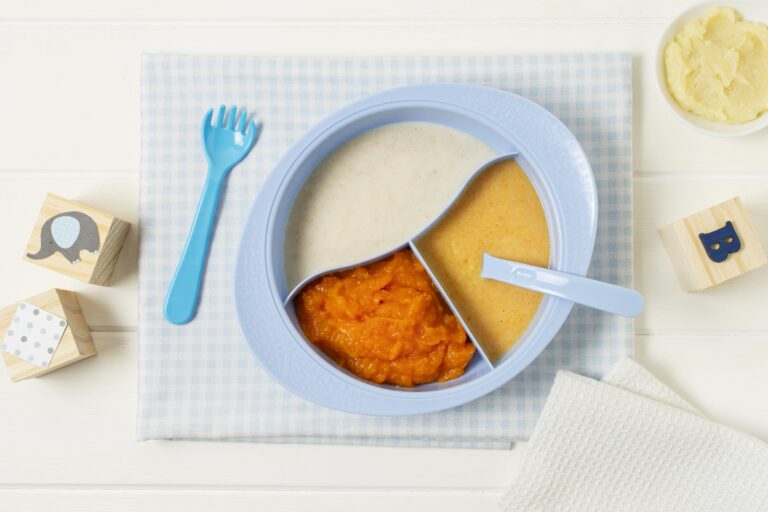
Many complementary foods are actually healthy but lack calories. Always add 1-2 teaspoons of butter, coconut oil, or grated cheese to each meal portion.
6. Introducing Finger Foods Too Early
Finger foods are usually low in calorie and difficult for babies to eat in large quantities. Continue prioritizing calorie-dense spoon-fed foods in puree or porridge form until the baby is 10-12 months old.
Conclusion
Helping your baby gain weight healthily requires the right strategy. Focus on nutrient-dense, high-calorie foods like eggs, meat, fish, avocado, cheese, butter, and coconut milk.
Remember, every baby is different. What’s most important is the consistency of their growth and ensuring they get balanced nutrition from animal protein, healthy fats, complex carbohydrates, plus vitamins and minerals.
Cheese is one of the most versatile and effective foods for weight gain, easy to mix, loved by babies, and packed with calcium and protein needed for optimal growth and development.
Read also: Recommended Cheese Products for Baby’s First Foods from Bel
Disclaimer: This article is for general information purposes. Always consult with your pediatrician or nutritionist before making significant changes to your baby’s diet, especially if your baby has specific health conditions or food allergies.