Starting the complementary feeding phase is an important milestone in your little one’s growth journey. As a parent, you may often hear about the importance of protein, vitamins, and minerals in your baby’s menu. But did you know that fat is also a nutrient that should not be overlooked?
Unlike adults who are advised to limit fat intake, babies actually need sufficient amounts of fat to support brain development, vitamin absorption, and as a primary energy source.
Let’s explore the right and safe healthy fat sources for your little one.
1. Types of Fat
Before choosing fat sources, understanding the types of fat is very important so you can select the best fat sources for baby food. Not all fats are the same, and some types can be more beneficial than others.
1. Unsaturated Fats (Good Fats)
Unsaturated fats are the most recommended type for babies as they provide optimal health benefits. These are divided into two categories:
- Monounsaturated fats: Found in avocados, olive oil, and nuts. These fats help reduce inflammation and support heart health.
- Polyunsaturated fats: Include omega-3 and omega-6, which are crucial for brain development and baby’s vision. The best sources are salmon, tuna, and fish oil.
2. Saturated Fats
Saturated fats are actually also needed by babies in limited amounts. Good sources of saturated fats for baby food include milk, cheese, yogurt, red meat, and coconut oil. The important thing is to provide them in balanced portions, not excessively.
3. Trans Fats
Trans fats are the type of fat that must be avoided as they can increase the risk of various health problems. These fats are usually found in processed foods, fried foods, margarine, and fast food. Avoid giving foods containing trans fats to your baby.
Read more: The Importance of Daily Nutritional Intake for Body Health and Balance
2. Healthy Fat Sources for Babies
Caption: “Image courtesy of Freepik”
After understanding the types of fats, here are various healthy fat sources you can provide as part of your little one’s menu:
1. Avocado
Avocado is a superfood for babies due to its soft texture and easy digestibility. This fruit is rich in monounsaturated fats, vitamin E, and folate. You can mash ripe avocado and give it directly to your baby, or mix it with other fruit or vegetable purees.
2. Olive Oil
Extra virgin olive oil is an excellent source of unsaturated fats. Add 1-2 teaspoons of olive oil to vegetable purees or baby porridge to boost its nutritional content. Olive oil also helps with the absorption of vitamins A, D, E, and K.
3. Fatty Fish
Fish such as salmon, tuna, mackerel, and sardines contain omega-3 (DHA and EPA) that are very important for baby’s brain development. Make sure the fish is cooked thoroughly and contains no bones. Give fish 2-3 times a week for optimal results.
Recommended Salmon Recipe: Salmon Mayo Rice Bowl with Cream Cheese
4. Eggs
Egg yolk is an excellent source of fat, protein, and choline. Choline plays an important role in memory development and baby’s cognitive function. You can give mashed boiled eggs or mix them into purees.
5. Cheese
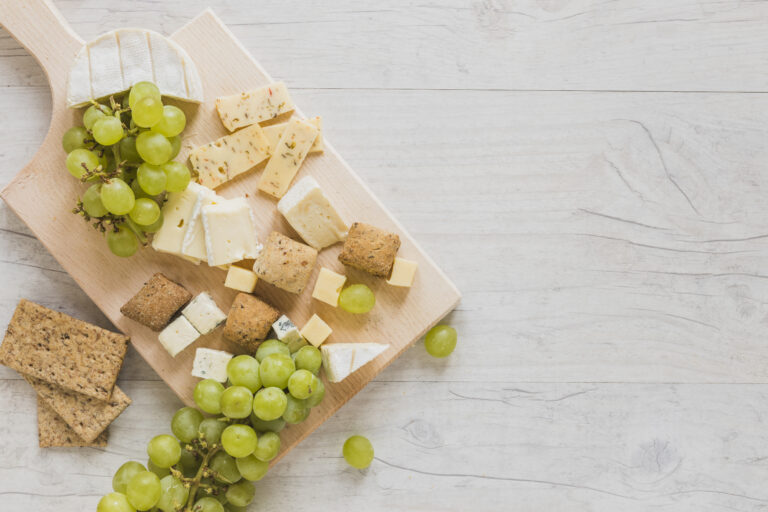
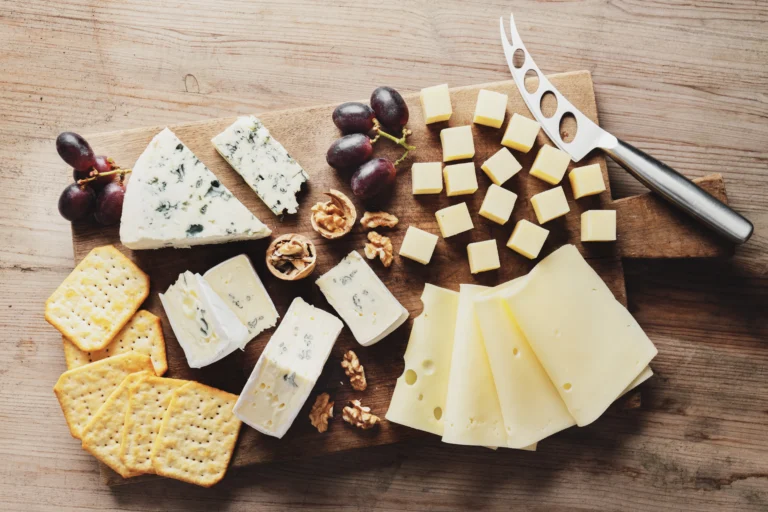
Cheese contains fat, protein, and calcium that are important for baby’s bone and teeth growth. Choose soft, low-sodium cheese like The Laughing Cow, which has a creamy texture and is easy to mix into various baby food menus. This cheese is also available in practical, hygienic portions for your little one.
Read more: Tips to Choose Cheese for Baby Food
6. Yogurt
Plain yogurt without sweeteners is a source of healthy fats and probiotics that are good for baby’s digestive system. Choose full-fat yogurt specifically for babies or children. You can mix it with fruit purees to add flavor.
7. Nuts and Nut Butter
If your baby doesn’t have allergies, nuts are an excellent source of fat and protein. For babies, give them in the form of smooth nut butter mixed with porridge or purees, not whole nuts which pose a choking risk.
8. Coconut Oil
Coconut oil contains medium-chain fatty acids that are easily digestible. Use in small amounts for sautéing or adding to baby food.
9. Meat
Chicken, beef, or lamb contains fat, protein, and iron. Choose slightly fatty cuts of meat, cook until tender, and puree well according to the texture your baby can accept.
3. Why Fat is Important?
Fat has a vital role in your baby’s growth and development, far more important than you might think. Here are the main benefits of fat for your little one:
Brain Development and Nervous System
A baby’s brain develops very rapidly in the first two years of life, and 60% of the brain consists of fat. Omega-3 fatty acids, especially DHA, are crucial for building brain structure, enhancing learning abilities, and supporting optimal cognitive function. Lack of healthy fats can hinder baby’s brain development.
Primary Energy Source
Babies need tremendous energy to grow and stay active. Fat provides twice as much energy as carbohydrates or protein per gram. This helps babies stay active, supports rapid physical growth, and meets their daily caloric needs.
Absorption of Fat-Soluble Vitamins
Vitamins A, D, E, and K are fat-soluble vitamins, meaning the body needs fat to absorb and use these vitamins. Vitamin A is important for vision and immune system, vitamin D for bone health, vitamin E as an antioxidant, and vitamin K for blood clotting.
Cell Growth and Development
Fat is an important component of cell membranes that line every cell in the body. Adequate fat intake ensures baby’s body cells can grow and function properly, supporting the growth of organs, tissues, and body systems as a whole.
Hormone Production
Fat plays a role in producing various important hormones that regulate growth, future sexual development, and body metabolic functions. Without adequate fat intake, hormone production can be disrupted.
Skin and Hair Health
Fat helps maintain moisture and elasticity of baby’s skin, preventing dry and irritated skin. Fat is also important for healthy hair growth.
Longer Feeling of Fullness
Foods containing fat make babies feel fuller longer because fat is digested more slowly. This helps regulate baby’s eating patterns and prevents them from feeling hungry too often.
Read more: Safe and Healthy Cheese Portions for Baby
Providing the right fat sources from the complementary feeding period is an important step for your little one’s long-term health. By understanding the types of fats and their sources, you can create a menu that is not only delicious but also supports your baby’s optimal growth and development. Happy trying, and may your little one grow healthy and smart!